Creating Family Traditions Through Cabin Ownership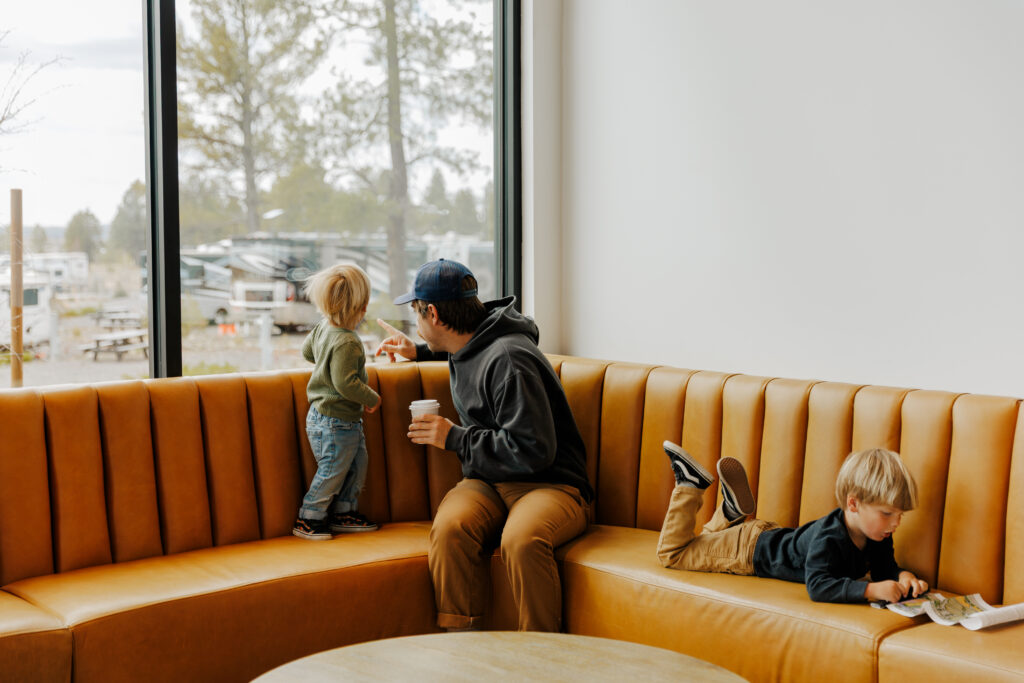
Some of the most powerful memories don’t come from big vacations or planned events. They come from the same porch, the same pine trees, the same annual rituals that your family returns to year after year. Cabin ownership is one of the few things in modern life that makes that kind of continuity possible.
What Are Family Traditions, and Why Do They Matter?
Family traditions are repeated rituals, experiences, or routines that carry meaning across generations.
Research from Emory University found that children who have a strong sense of their family’s shared history show higher levels of resilience, emotional health, and identity. Traditions are the mechanism that builds that shared history.
The challenge is creating them. Modern family life is fragmented: different schedules, different screens, different cities. Creating a tradition requires a consistent anchor. Something that pulls everyone back to the same place.
For a lot of families, that anchor is a cabin.
Why Cabins Build Stronger Traditions Than Vacations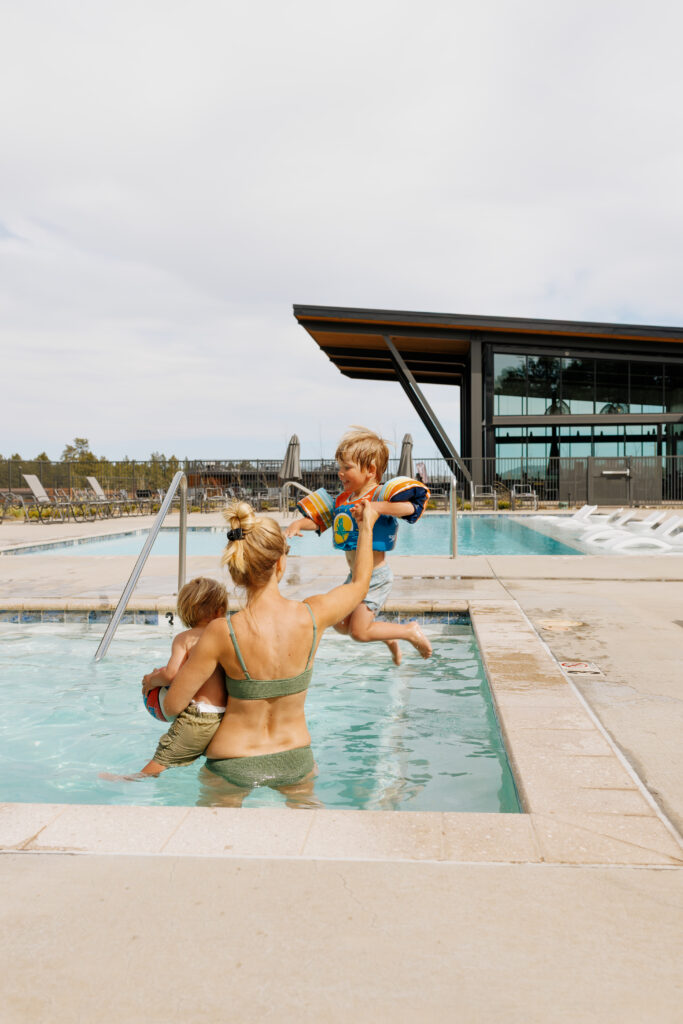
Vacations are wonderful, but they’re variable by nature. A different resort, a different city, a different experience each time. There’s value in that variety, but variety doesn’t build tradition. Repetition does.
A cabin owned by your family is the same. Same view out the window. Same creaky step on the porch. Same smell of pines when you open the car door. That consistency is what transforms a trip into a tradition.
The Rhythms of a Cabin Year: How Traditions Form Naturally
One of the most underappreciated aspects of cabin ownership is how naturally it generates tradition. You don’t have to engineer rituals. The calendar does it for you.
Summer: The Family Gathering Season
Summer cabin traditions tend to form quickly:
The annual Fourth of July trip: same cabin, same hike, same fireworks over the mountains
The cousins’ week, when extended family converges for a few days of hiking, games, and meals together
The Friday night arrival ritual: stopping at the same diner on the way up, unpacking in the same order, the first walk to the same trailhead
These aren’t scheduled. They just happen. And then they happen again the next year, and the year after that.
Fall: Flagstaff’s Hidden Season
Most people don’t think of fall as a cabin season, but in Northern Arizona it’s arguably the most beautiful time of year. The
aspens in the San Francisco Peaks turn gold and amber in late September and October, drawing visitors from across the state.
Fall traditions at the cabin tend to be quieter: a long weekend in October, the first fire of the season in the fireplace, apple cider on the deck while the leaves come down. Smaller moments that carry just as much weight over time.
Winter: The Unexpected Magic
Flagstaff averages
over 100 inches of snowfall per year, making it one of the snowiest cities in the continental US. For Arizona families who rarely see snow, a winter cabin trip creates the kind of novelty that turns into a tradition almost immediately.
Sledding. Hot chocolate.
Arizona Snowbowl skiing. The drive up through a snowstorm that everyone talks about for years. Winter cabin memories tend to stick.
Spring: The Reset
Spring in Flagstaff is gentle and unhurried. Wildflowers, warming trails, and
Flagstaff’s beloved downtown shaking off winter. A spring cabin trip becomes the family reset, the annual check-in before summer plans take over.
How Cabin Ownership Creates Multi-Generational Traditions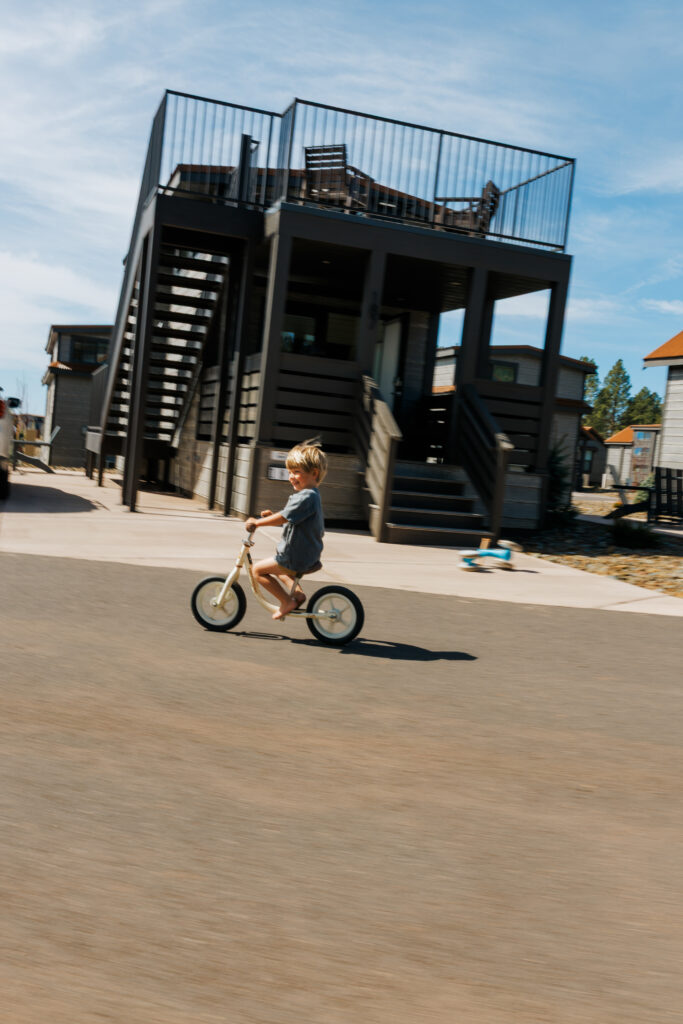
The Grandparent Connection
One of the most cited reasons families pursue cabin ownership is the desire to create a consistent gathering place for grandparents and grandchildren. Hotels and vacation rentals fragment the experience: different rooms, different setups, different contexts every time.
A family cabin gives grandparents a recurring role: the person who knows where the extra blankets are, who makes pancakes on Saturday morning, who takes the grandkids on the same trail they’ve walked a dozen times before.
That repetition is irreplaceable. It’s how grandchildren remember grandparents, not from a single trip, but from the accumulated weight of the same place, over and over.
Passing It Down
The long arc of cabin ownership is one of its most compelling features. A cabin purchased today becomes the backdrop for decades of family life, and potentially passes to the next generation as an asset, a gathering place, and a vessel for family memory.
Estate planning with a family cabin requires some thoughtfulness, but the families who do it well often describe the cabin as the most significant inheritance they pass on, not because of its monetary value, but because of what it represents.
Why Flagstaff Is the Right Place to Build Those Traditions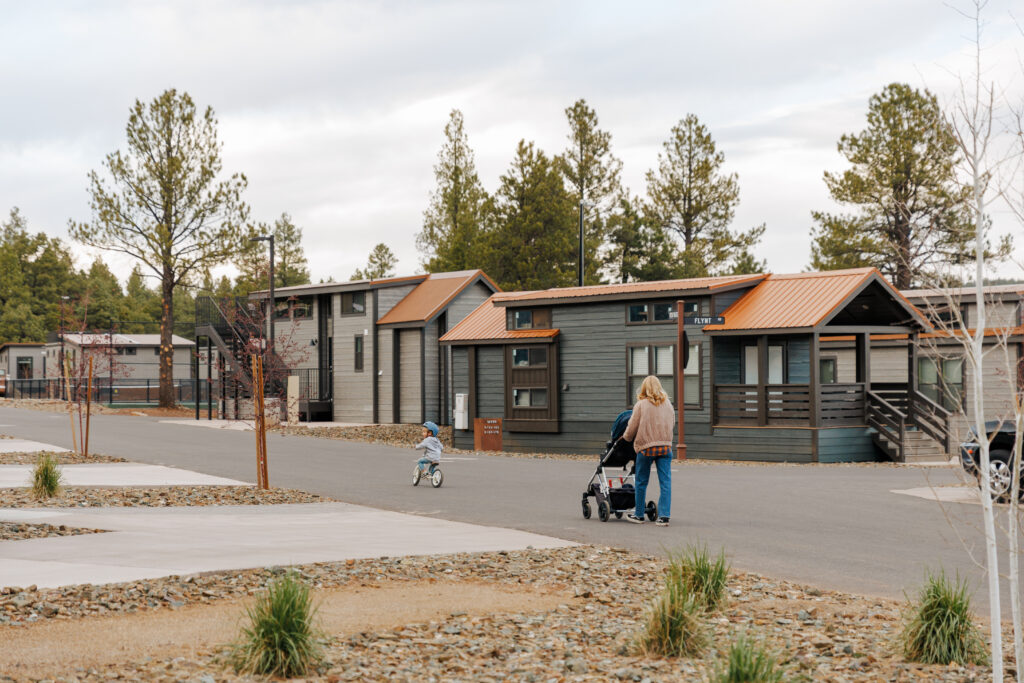
Not every cabin location is equal when it comes to building lasting family traditions. The best locations are accessible enough to visit regularly, offer year-round appeal, and have enough surrounding activities to support different ages and interests across multiple seasons.
Flagstaff checks every one of those boxes.
Close Enough to Make It Easy
At roughly 2.5 hours from Phoenix and under 3 hours from Tucson, Flagstaff is close enough for a long weekend without requiring a major commitment. That accessibility is critical: the traditions that stick are the ones that are easy to return to.
Four Seasons of Activities for Every Age
Skiing & Snow Play:
Arizona Snowbowl offers skiing, snowboarding, and tubing in winter
Cultural Experiences:
Lowell Observatory, Museum of Northern Arizona, and Route 66 history
A Town That Grows With Your Family
One of the underrated advantages of Flagstaff as a cabin destination is that it offers something for every age. Young kids love the snow and open space. Teenagers engage with the mountain biking, climbing, and downtown culture. Adults appreciate the restaurants, breweries, and trails. Older family members enjoy the scenery and slower pace.
A destination that works for a 6-year-old and a 70-year-old in the same weekend is rare. Flagstaff consistently delivers that.
Frequently Asked Questions About Family Cabin Ownership
Is a cabin a good investment for families?
Yes, with the right location and structure.
Northern Arizona real estate has shown consistent long-term value driven by scarcity: there are limited properties at this elevation, this close to a major metro, with this kind of lifestyle access. When not in personal use, cabins in Flagstaff also perform well on the short-term rental market, allowing owners to offset carrying costs.
How often do families actually use their cabin?
Research from the
National Association of Realtors suggests that vacation home owners use their properties an average of 4–6 weeks per year, but proximity dramatically increases that number. Families within 3 hours of their cabin often visit 10–15 or more times annually, especially when the location offers year-round appeal.
What makes a cabin good for multi-generational family use?
The best family cabins offer enough sleeping space for extended family, a functional kitchen for group meals, comfortable common areas for gathering, and proximity to activities that work for different ages. Accessibility, both in terms of distance and mobility, also matters as family members age.
How do I start building family traditions at a cabin?
Start simple. Pick one recurring trip: the same weekend every summer, or a holiday that becomes the cabin holiday. Do it two years in a row, and the third year your kids will be asking when you’re going. Traditions build themselves once you give them a foundation.
Village Camp Flagstaff: A Place Worth Returning To
At
Village Camp Flagstaff, our cabins are designed with exactly this kind of use in mind. Comfortable layouts that sleep families. Full kitchens for the meals that matter. A setting in the pines that makes it easy to slow down and be present.
The families who own here don’t just vacation here. They come back. For the Fourth of July. For the fall color. For the first snow of the year. For the annual cousins’ trip that somehow always ends up being the highlight of the summer.
That’s not an accident. It’s what happens when you have a place worth coming back to.
Ready to Start Your Own Tradition?
The best time to plant a tree was twenty years ago. The second best time is now. If you’ve ever thought about what a family cabin in the mountains could mean for your family, not just as an asset, but as a place, this is the season to take a look.
Village Camp Flagstaff is located in Northern Arizona at 7,000 feet in the ponderosa pines, offering cabin ownership, extended RV stays, and year-round mountain living just 2.5 hours from Phoenix.